SuperMax (Forcetra) Sling Selection
Before selecting a sling, be sure to check the following 3 checkpoints.
- Weight of load
- Center of gravity
- Pick-up point
- Sharp edges on the object
- Abrasive areas that could damage the sling
- Working load of equipment (crane, hook, shackle, etc.)
- Obstacles in the transfer area and overhead
- Exposure to chemical substances
- Ambient temperature / light / conditions
- Worker's position relative to the danger zone
- Required sling type (including number of slings)
- Sling hitch type (straight / choker / basket)
- Condition of contact area between sling and object
- Lifting angle of the sling
- Working Load Limit (WLL) · Safety Factor (SF) · Minimum Breaking Load (MBL)
- Elongation of the sling
Lifting Angle and Efficiency
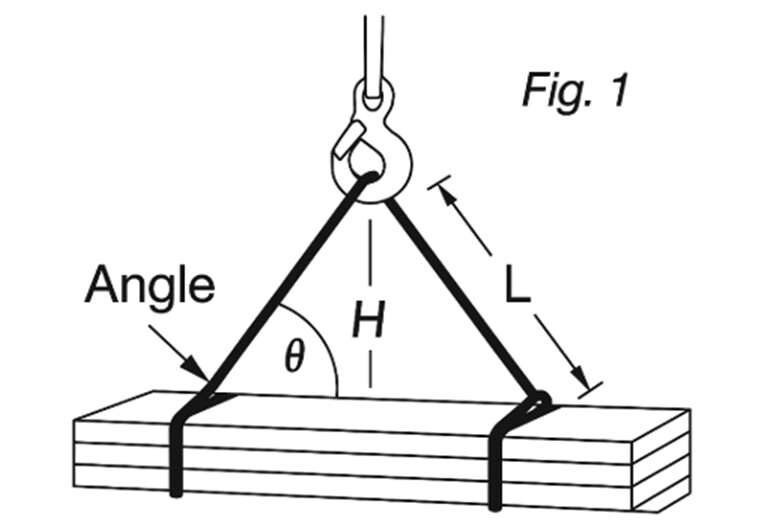
When a sling is used at an angle, its actual strength changes. Using the vertical height H and the sling length L, you can calculate the safe working load.
| Angle from Horizontal | Capacity Reduction Factor (A) | Load Multiplier (B) |
|---|---|---|
| 90° | 1.000 | 1.000 |
| 85° | 0.996 | 1.005 |
| 80° | 0.985 | 1.016 |
| 75° | 0.966 | 1.036 |
| 70° | 0.940 | 1.064 |
| 65° | 0.906 | 1.104 |
| 60° | 0.866 | 1.155 |
| 55° | 0.819 | 1.222 |
| 50° | 0.766 | 1.306 |
| 45° | 0.707 | 1.415 |
| 40° | 0.643 | 1.556 |
| 35° | 0.574 | 1.743 |
| 30° | 0.500 | 2.000 |
* As the angle decreases (closer to horizontal), sling strength decreases and the load on each leg increases. A = sin(angle), B = 1/sin(angle) (rounded conservatively). · Reference: CI 1905-14 / EN 1492-4
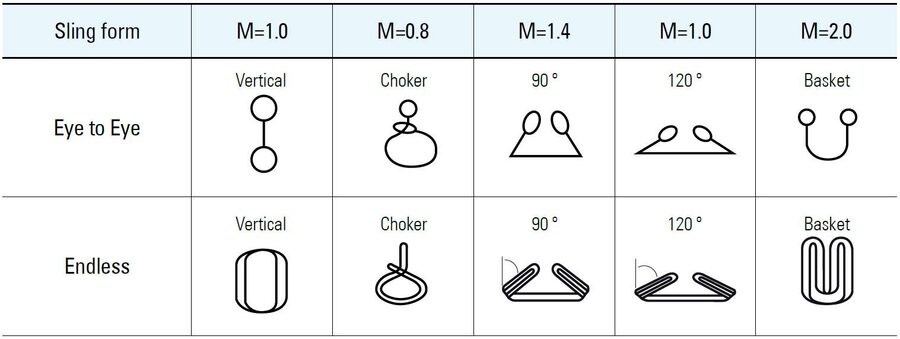
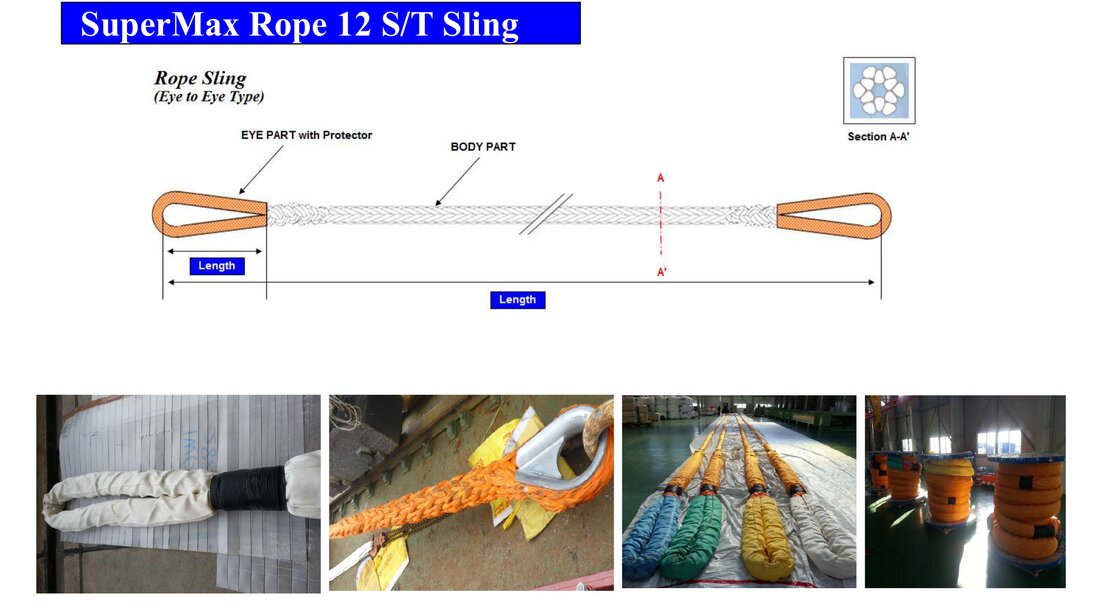
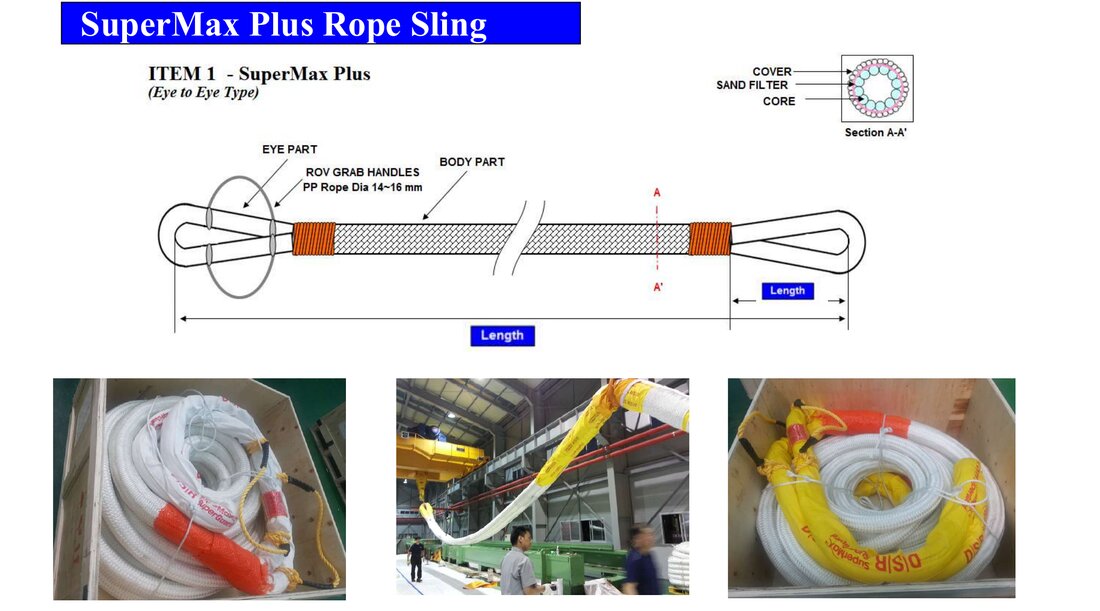
SuperMax · Forcetra Sling Types
Select a product type to view detailed diagrams and real-world application photos.
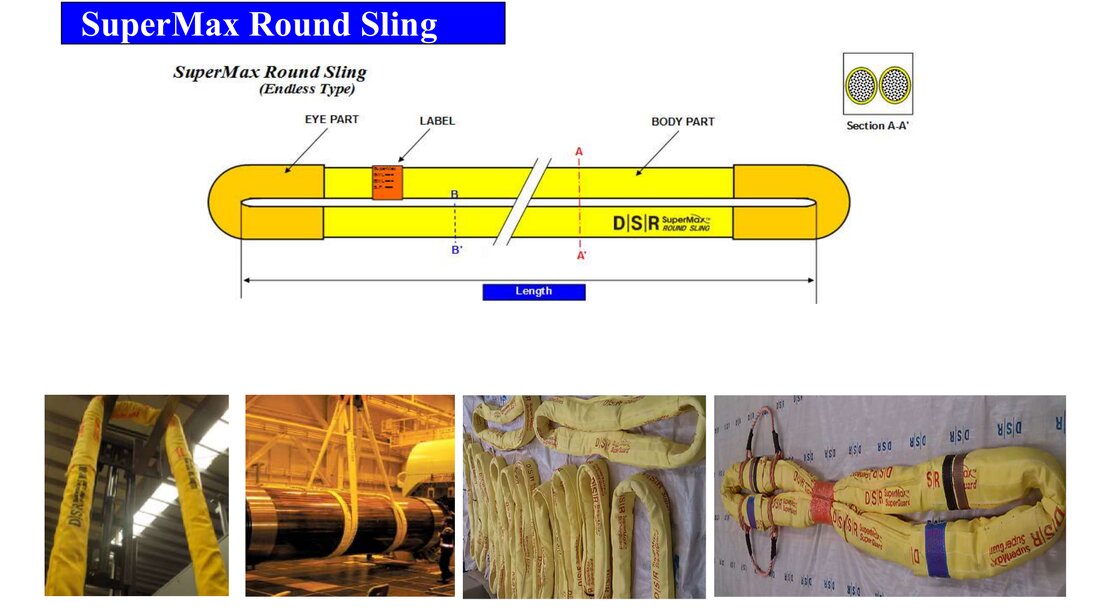
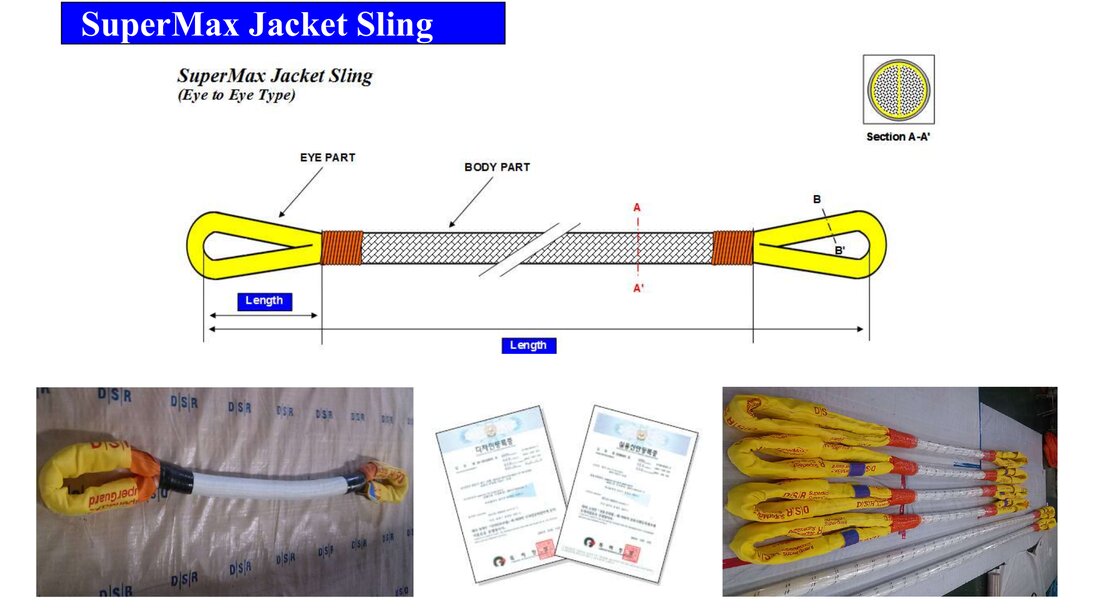
SuperMax (Forcetra) Sling Handling / Use
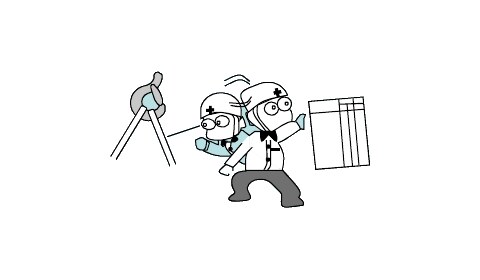
Check WLL and Condition
Before use, check the Working Load Limit (WLL) to ensure the weight of the load does not exceed the rated capacity, and always inspect the condition of the sling.
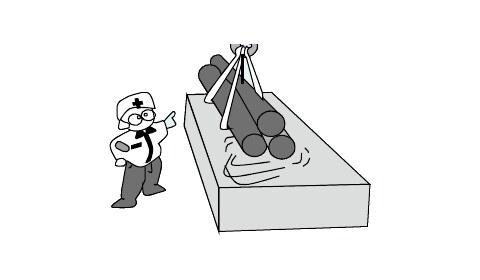
Check for Chemicals
Check whether chemicals such as acids or alkalis are present, and contact the manufacturer before using the sling in a chemical exposure environment.
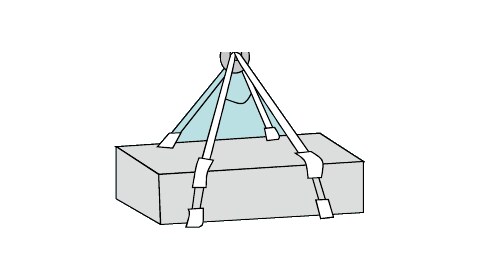
Check the Lifting Angle
Check the lifting angle before use. The rate of strength reduction differs depending on the angle.
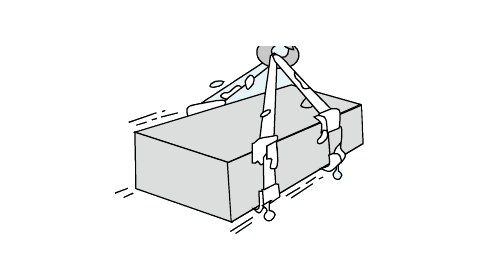
Watch for Contamination
Prevent contamination such as oil during storage and use; contamination can cause slipping, so remove any contamination from contact surfaces before use.
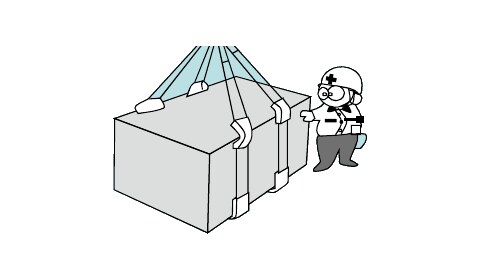
Use Edge Protectors
Attach a protector to the sling when lifting objects with sharp edges or angled corners.
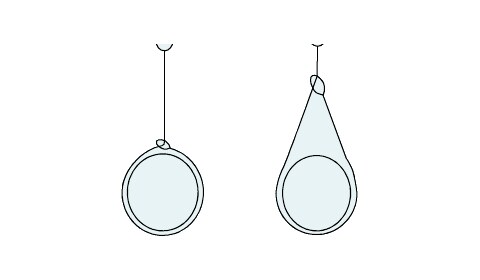
Choker Type Usage
When using the choker type, insert one end fully into the other before use. Otherwise, friction damage may occur.
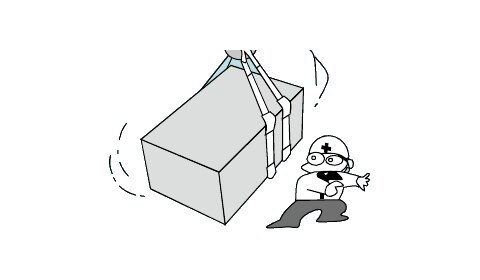
Check the Balance
Check the balance of the object during lifting, and when using two slings together, balance them so the load does not sway.
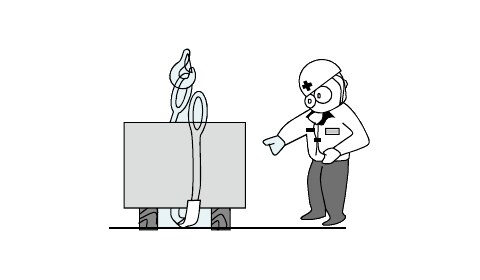
Do Not Drag
Dragging the sling before or after lifting can damage it. Ensure sufficient space between the object and the floor when inserting or removing the sling.
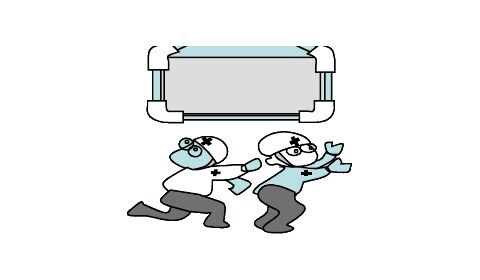
Do Not Go Underneath the Load
Never go under the load while it is being moved, and keep a safe distance.
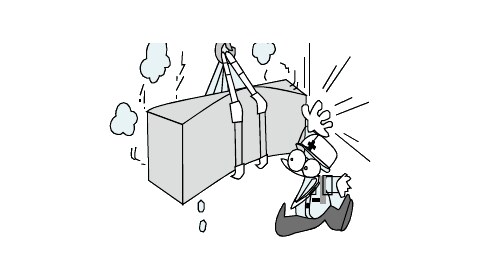
Do Not Use on High-Temperature Objects
Do not use the sling on high-temperature objects. Contact the manufacturer if use on high-temperature objects is required.
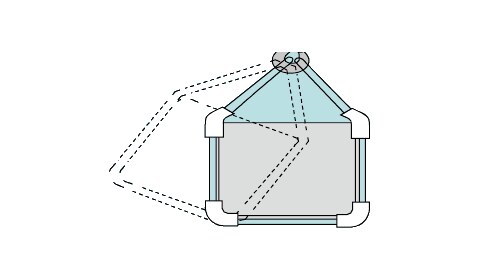
Avoid Swinging
When moving an object with the sling, take care that it does not swing excessively.
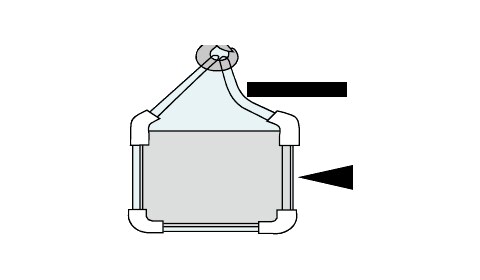
Keep Away from Sharp Objects
Do not allow sharp objects to contact the sling while it is under load. Contact may easily damage the sling and cause it to be cut.
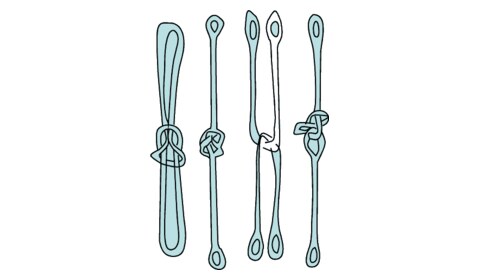
Do Not Connect Slings
Do not use slings connected together. Connecting slings can reduce the breaking load by up to 50%.
Storage and Maintenance
- On completion of the lifting operation, return the sling to proper storage.
- When not in use, store the sling in a clean, dry, well-ventilated location where the ambient temperature is not high and it is not exposed to chemicals, corrosive surfaces, or direct sunlight (UV rays).
- Before and after use, always check the sling for damage.
SuperMax (Forcetra) Sling Inspection
Principles for Inspecting Slings in Service
- Before each use, inspect the sling for defects and confirm that its identification markings and specifications are correct. Never use an unidentified or damaged sling; have it examined by a competent person.
- During the period of use, check frequently for defects or damage (including damage concealed by soiling), extending the check to any fittings and lifting accessories used with the sling. If there is any doubt about fitness for use, or if markings are lost or illegible, remove the sling from service and have it examined by a competent person.
* Reference standard: EN 1492-2:2000+A1:2008 (E)
Rope Sling — Repair & Discard Criteria
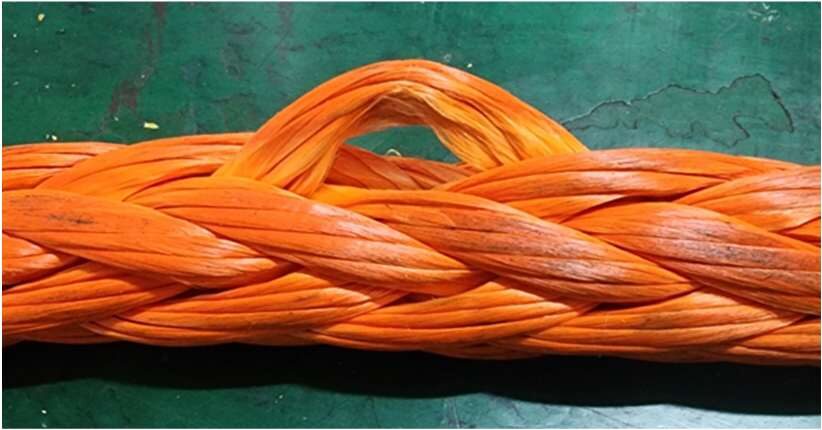
Cause · Snagging on a sharp edge or surface pulls a strand away from the rope
Action · Work the pulled strand back into the rope
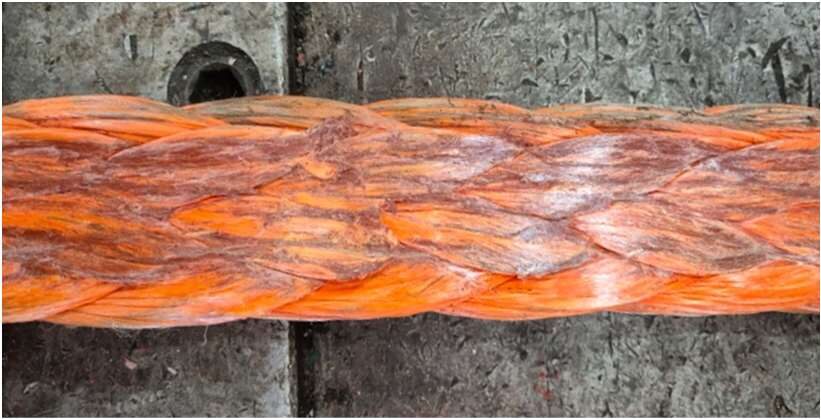
Cause · Caused by friction and compression
Action · Flex the rope to relieve the compression
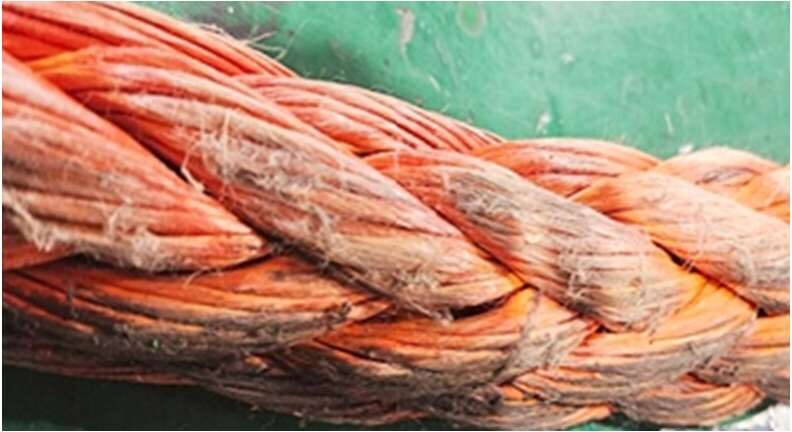
Characteristic · When first used, the outer filaments may fuzz
Assessment · In most cases this does not significantly affect strength → sling remains usable
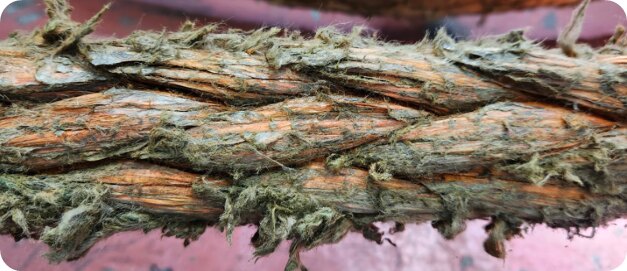
Cause · Prolonged use causes abrasion that breaks the yarns
Action · Discard the sling
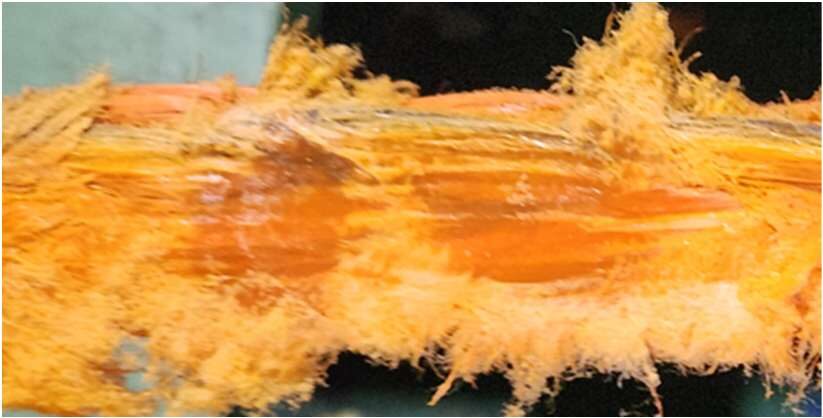
Cause · Exposure to excessive heat or frictional heat
Action · Discard the sling
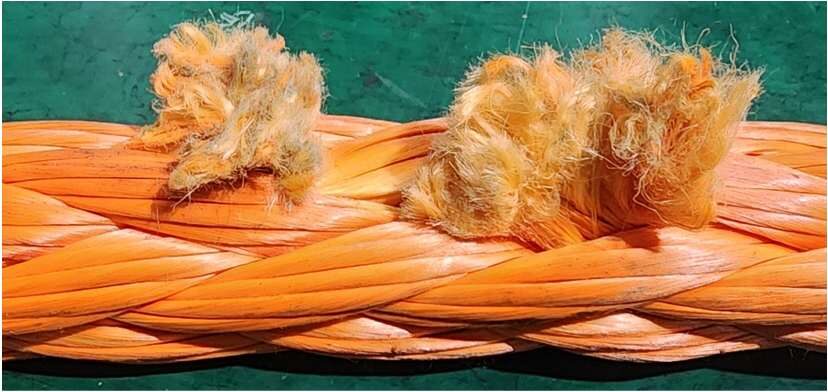
Cause · Contact with a sharp edge or surface
Action · Discard the sling
Round Sling — Repair & Discard Criteria
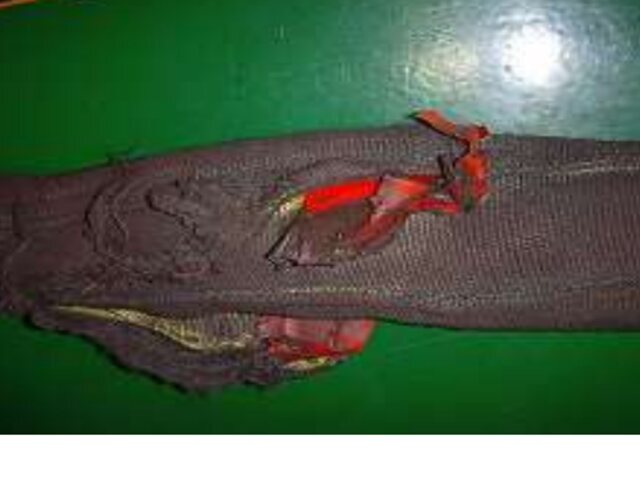
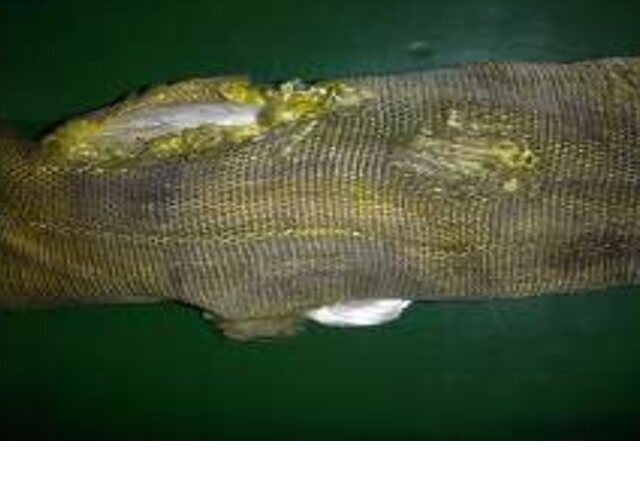
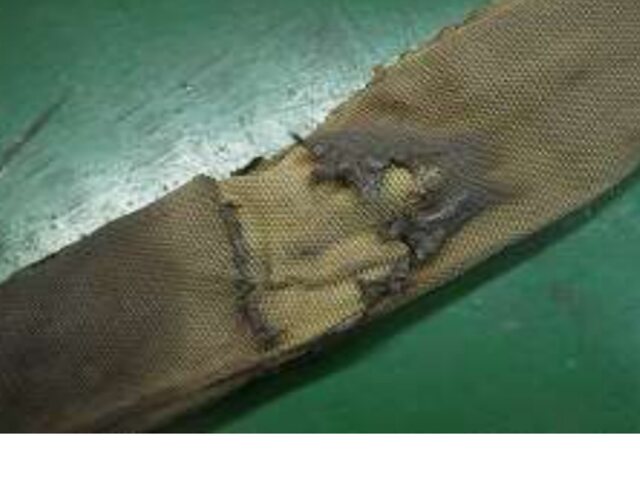
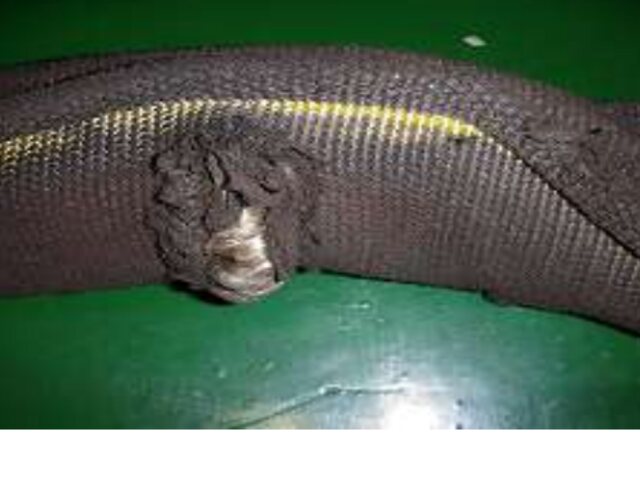
Surface chafing / abrasion / heat or chemical damage that stays on the cover only, without core damage, → repair
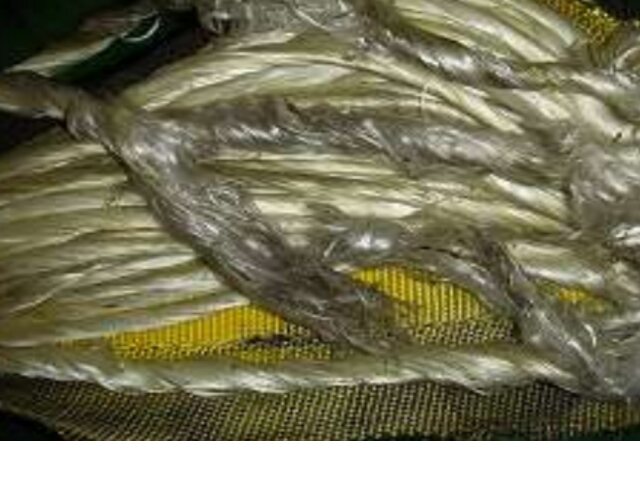
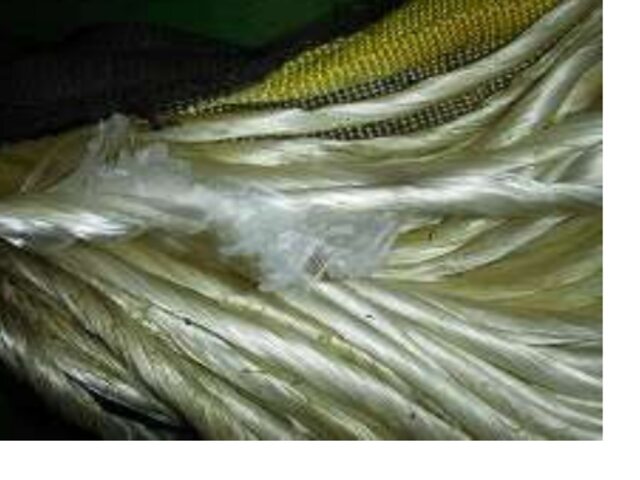
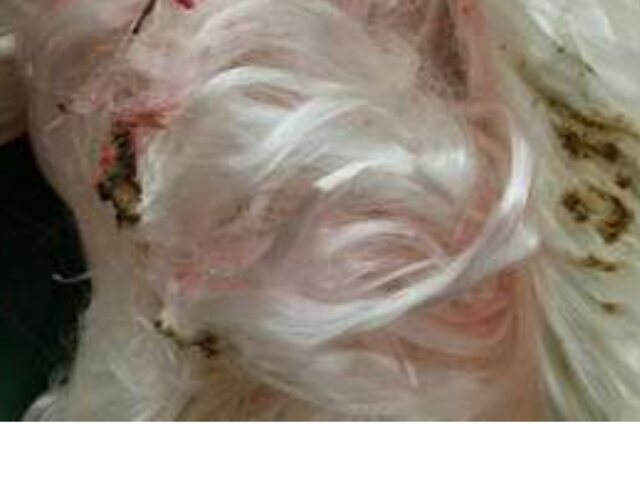
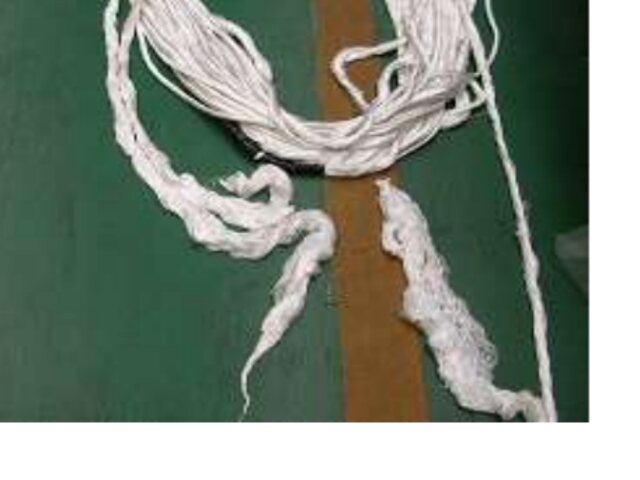
If cover damage progresses to core cutting / abrasion / heat or chemical damage → discard